In this article
New Construction Electrical Cost (2026)
Electrical is one of those “invisible” parts of a new build that can swing from surprisingly affordable to budget-breaking—often for reasons homeowners don’t see until bids come back. Two homes with the same square footage can have very different electrical costs based on layout complexity, local labor rates, the number of circuits required, service size (200A vs. 400A), and today’s must-haves like EV charging, home offices, and smart lighting.
This article uses current 2026 pricing benchmarks to show ranges and cost drivers—because the real lesson isn’t a single number. It’s that electrical costs are highly plan- and location-specific, and that’s exactly why detailed line-item estimating exists.
2026 “typical” electrical cost ranges (and why they’re only a starting point)
Most people ask, “What does electrical cost per square foot?” That’s a useful benchmark, but it can hide big scope differences.
2026 benchmark estimates (typical single-family new construction):
-
Electrical wiring for new construction: $4–$9 per sq. ft. (installed)
Source: HomeGuide cost guide (updated June 2024; still widely cited into 2026 for national planning ranges)
https://homeguide.com/costs/electrical-wiring-cost -
Typical total to wire a new 1,500–2,500 sq. ft. house: $6,000–$22,500
Source: HomeGuide
https://homeguide.com/costs/electrical-wiring-cost
Those ranges are broad because “electrical” can mean different scopes:
- Basic rough-in + trim with standard devices and fixtures
- Panel + meter base + service mast (or underground service)
- Dedicated circuits (kitchen, laundry, HVAC, well pump, etc.)
- Low-voltage (data, speakers, security) sometimes included, sometimes not
- Special loads (EV charger, hot tub, sauna, workshop equipment)
- Generator prep / transfer switch
- Permit + multiple inspections
A per-square-foot figure is like saying, “How much does a kitchen cost?” It depends on whether you mean cabinets-only or a full chef’s kitchen with a 48" range and custom hood.
Breaking down electrical into “real world” buckets
A clean way to understand variability is to separate electrical into cost buckets you’ll actually see in bids and line-item reports.
1) Rough-in wiring + boxes (labor-heavy)
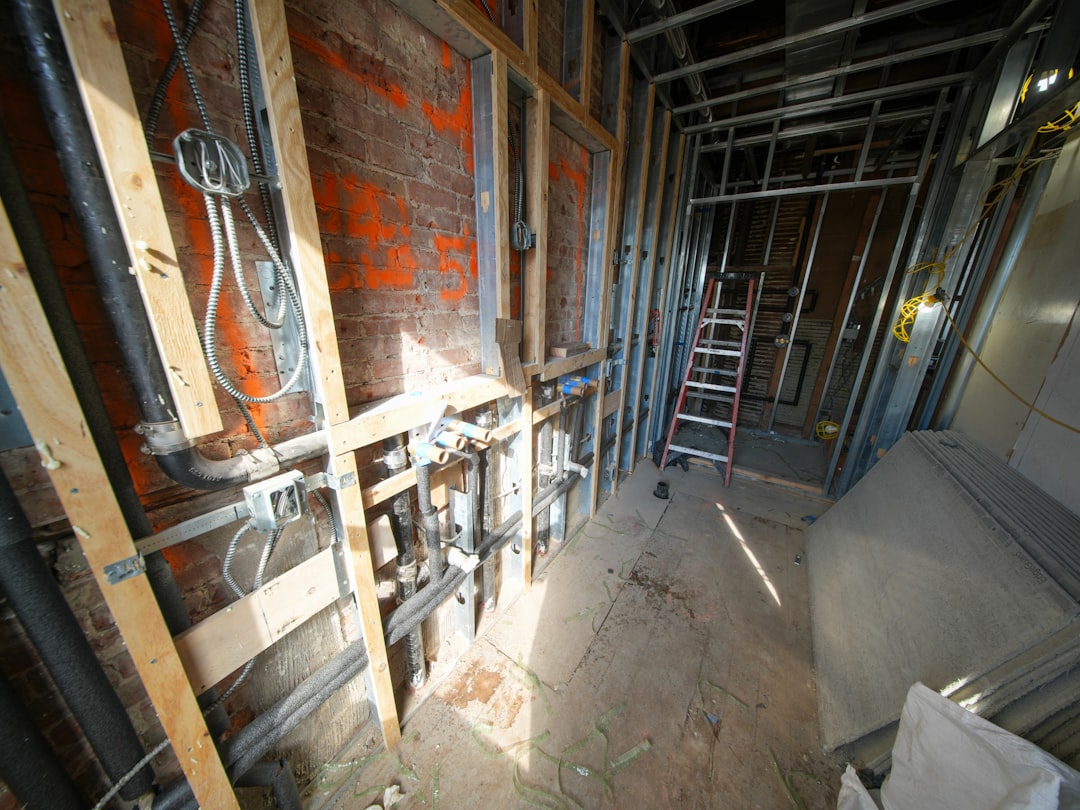
Rough-in is pulling cable, drilling studs, installing boxes, routing home runs back to the panel, and setting up for inspections before insulation/drywall.
Labor rate benchmarks (2026 planning ranges):
-
Electrician labor often billed around $50–$130 per hour (market-dependent)
Source: HomeGuide (rough-in labor section)
https://homeguide.com/costs/electrical-wiring-cost -
Consumer-facing “hire an electrician” averages can appear higher because they often include minimums, overhead, travel, and bundled pricing. Angi cites hourly rates $50–$130 as well (plus service-call structures that can push first-hour costs up).
Source: Angi (updated March 17, 2026)
https://www.angi.com/articles/how-much-does-it-cost-hire-electrician.htm
Why rough-in cost swings:
- Long wire runs (sprawling ranch) vs. stacked vertical runs (two-story)
- Many “small” spaces: pantry, mudroom, closets, hallways (each needs lighting/switching)
- Ceiling design: vaulted ceilings, beams, tray ceilings, multiple zones
- Access and staging: production build vs. custom with frequent changes
2) Trim-out (devices, fixtures, and finish level)
Trim includes installing receptacles, switches, dimmers, breaker labeling, hanging fixtures (if provided), connecting appliances, and final testing.
Finish level is a massive variable:
- Standard toggle switches vs. designer keypads
- Basic LED flush mounts vs. pendants/chandeliers
- Under-cabinet lighting and toe-kick lighting
- Smart switches, occupancy sensors, whole-home scenes
A plan with “just a few” upgraded fixtures can add days of labor and hundreds (or thousands) in material allowances.
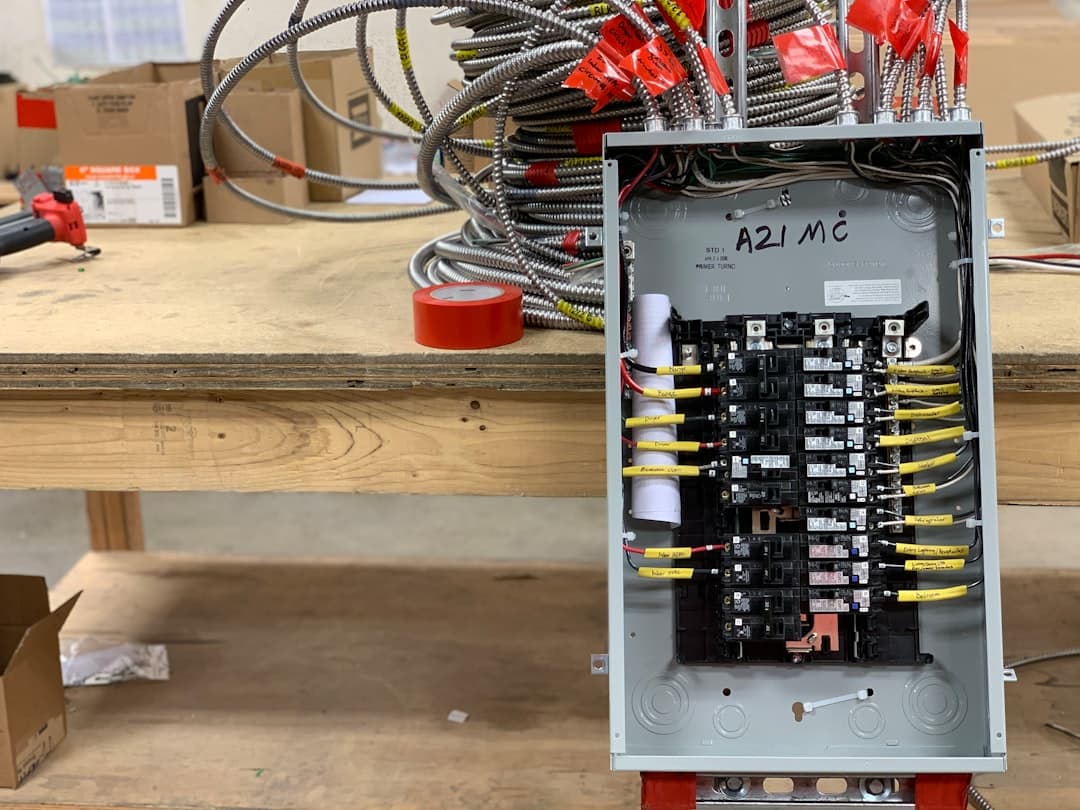
3) Service equipment: panel(s), meter, grounding, surge protection
Most new homes are built with 200-amp service, but not all. Bigger homes or all-electric homes (heat pump + induction + multiple EV chargers + pool) may justify 400A service or dual panels/subpanels.
Planning ranges:
- Panel costs vary widely by amperage, breaker type, and local code requirements. HomeGuide cites $850–$2,500 as an average range for replacing a panel, and $1,400–$2,800 for upgrading 100A to 200A (useful as a proxy for equipment + labor scale).
Source: HomeGuide
https://homeguide.com/costs/electrical-wiring-cost
New construction isn’t a “replacement,” but these numbers help illustrate how panel/service choices can swing line items.
4) Permits + inspections (often underestimated)
Even when a builder says permits are “included,” it’s helpful to understand they aren’t $0—and they can vary by jurisdiction.
Planning ranges (commonly seen nationally):
- Electrical permits: $50–$350+ depending on project size/details (some areas much higher)
Source: HomeGuide
https://homeguide.com/costs/electrical-wiring-cost - Electrical inspection: $100–$200 (often multiple inspections: rough + final)
Source: HomeGuide
https://homeguide.com/costs/electrical-wiring-cost
Some jurisdictions require additional coordination (utility disconnect/reconnect, separate low-voltage permits, energy code documentation, etc.), which can add administrative time and fees.
What “$4–$9 per sq. ft.” hides: a scope reality check
A square-foot number bundles many line items. Here’s what can cause two 2,400 sq. ft. homes to land far apart.
Layout complexity: “simple rectangle” vs. “custom puzzle”
Electrical runs follow framing. A compact two-story can reduce wire length and labor compared to a wide one-story ranch with long runs to far bedrooms, garage, patio, and bonus spaces.
Examples of plan-driven complexity costs:
- Multiple stair landings and hallway switches (3-way/4-way switching)
- Bonus room over garage (long homeruns, separate subpanel decisions)
- Detached garage or shop (trench/conduit, subpanel, grounding)
Kitchen and laundry: circuit-dense zones
Kitchens are expensive electrically because they’re circuit-heavy and device-heavy:
- Countertop receptacles, islands, and peninsulas
- Dedicated circuits for microwave, dishwasher, disposal, refrigerator
- Range hood, under-cab lighting, pantry lighting
Laundry and mechanical rooms add:
- Dedicated circuits (washer, gas dryer outlet + 120V, or 240V electric dryer)
- Sump pump, well pump, water treatment equipment
- HVAC air handler, heat pump, dehumidifier
All-electric trends (2026): loads are going up
Many new builds in 2026 skew more electric:
- Heat pumps (and sometimes heat-strip backup)
- Induction cooking
- Electric water heaters / heat pump water heaters
- EV charging (or at least conduit for future chargers)
These can trigger:
- Larger service size
- More/bigger dedicated circuits
- Load calculations that change panel strategy
Basements, crawlspaces, and attics change labor time
A full basement can make certain runs easier (good access), but a finished basement adds another “mini-house” worth of devices, lighting, smoke/CO requirements, and often a subpanel.
Crawlspaces and tight attics can increase labor time, especially if crews are working around HVAC ducting, low clearance, or challenging site conditions.
Local labor market: the same plan, different city pricing
Electrical is labor-heavy—so regional labor differences matter a lot. Angi notes electricians can cost more in big cities than rural areas, reflecting higher overhead and wage markets.
Source: Angi (location discussion and hourly ranges)
https://www.angi.com/articles/how-much-does-it-cost-hire-electrician.htm
How this shows up in bids:
- Higher hourly labor and/or higher “per opening” pricing
- Different staffing models (crew size, schedule constraints)
- Longer lead times (which can increase “rush” pricing)
Rather than trusting one national number, think in bands:
- Lower-cost regions may cluster closer to the $4–$6/sq. ft. planning range for standard specs.
- High-cost metros and premium custom specs can push electrical toward (and sometimes beyond) the upper end of typical ranges—even before special features.
Big-ticket add-ons that commonly change electrical budgets
Here are scope items that frequently cause “why is this bid so high?” moments:
EV charger readiness vs. full install
Even if you don’t own an EV yet, many homeowners add:
- A dedicated 240V circuit to the garage
- Conduit and capacity reserved in the panel
- Load management equipment in some cases
Costs depend heavily on:
- Distance from panel to garage location
- Finished garage walls (harder retrofit later)
- Panel capacity and whether upgrades are needed
“Run power to… (detached garage / shop / gate / shed)”
Distance and trenching are the story here. HomeGuide notes running underground electric lines to outbuildings can be priced per linear foot and varies with soil type and distance.
Source: HomeGuide (outbuilding line cost discussion)
https://homeguide.com/costs/electrical-wiring-cost
If your site has rock, high water table, long setbacks, or required burial depths, trenching can become a major cost driver—sometimes larger than the wire itself.
Upgraded lighting design
Lighting is where “finish taste” meets labor:
- More fixtures than the base plan
- More zones and dimming
- Tall ceilings requiring staging/scaffolding
- Exterior lighting packages (soffit cans, landscape transformer feeds)
The cost isn’t only the fixture—you’re paying for additional circuits, switching, and time.
Generator prep and transfer switch
Some owners want:
- Manual transfer switch
- Interlock kit
- Whole-house generator readiness
Each adds equipment cost, labor, and often inspections.
A practical 2026 cost example (same size house, different outcomes)
Below are illustrative planning scenarios using the commonly cited $4–$9 per sq. ft. new construction wiring range (installed) from HomeGuide. These are not bids—just a way to visualize variability.
Example: 2,400 sq. ft. home (electrical wiring scope benchmark)
Source range: HomeGuide (new construction wiring)
https://homeguide.com/costs/electrical-wiring-cost
- Lower-range scenario (simpler plan + standard fixtures):
2,400 × $4 = ~$9,600 - Mid scenario (average complexity + a few upgrades):
2,400 × $6.50 = ~$15,600 - Upper-range scenario (complex layout + many features):
2,400 × $9 = ~$21,600
Then layer on items that may or may not be included in that “wiring” number:
- Permit + multiple inspections (often hundreds)
- Service lateral / utility connection work (can be thousands if long runs are needed)
- Subpanels, surge protection, smart lighting systems, etc.
This is why two homeowners can both say “my 2,400 sq. ft. house cost X to wire” and be $10,000+ apart—and both be telling the truth.
How to get a more accurate electrical number (before you break ground)
If you want pricing that behaves more like a real estimate and less like a national average, you need to define:
- Your exact plan (layout drives labor)
- Your specification level (fixtures, devices, smart features)
- Your location (labor market + code + permit structure)
- Your site conditions (distance to power, trenching needs, detached structures)
- Your mechanical choices (all-electric vs. gas, HVAC type, EV charging)
Also, insist on clarity about what’s included:
- Are light fixtures included, or only “standard builder allowance”?
- Is the service connection included, or is that separate with the utility?
- Are low-voltage systems included or excluded?
- Are permits/inspections included as pass-through costs?
Key Takeaway
In 2026, new construction electrical wiring is commonly estimated around $4–$9 per square foot (installed), but that range is so wide because electrical scope changes dramatically with plan complexity, finish level, service size, special loads (like EV charging), and local labor and permitting rules. The only reliable way to budget is with a plan-specific, location-specific breakdown that shows line items—not just an average.
See your costs the way builders and lenders do (line by line)
If you’re trying to budget realistically, a generic per-square-foot number can only take you so far. The real value comes from seeing costs broken down for your exact house plan in your exact area—including the electrical line items that tend to surprise people.
costtobuildahouse.com has been providing detailed cost-to-build reports for nearly 20 years, and you can preview the format before you spend a dime.
- Try a free demo report: https://startbuild.com/store/costtobuild/demo.aspx?returnUrl=https%3A%2F%2Fcosttobuildahouse.com%2Fget-started
- When you’re ready, order your custom Cost To Build report for your specific plan for just $32.95: https://www.costtobuildahouse.com/get-started