In this article
Cost To Build A House In Montana (2026)
If you’re trying to price a new home build in Montana, you’ll quickly run into a frustrating truth: there isn’t one “Montana price.” There are many Montanas—Bozeman vs. Billings, flat lots vs. steep mountain sites, city water/sewer vs. well/septic, slab-on-grade vs. full basement, and builder-grade vs. high-end finishes.
So the real goal of this guide isn’t to hand you a single number. It’s to show why two “similar” Montana homes can land tens—or hundreds—of thousands of dollars apart, and what line items tend to move the most in 2026. (And why a plan-specific, location-specific report is the safest way to budget.)
Free instant estimate · ~30 seconds
Quick Estimator
No sign-upRough planning range based on your inputs and current regional cost indices — not a quote. Your plan, lot, and selections move the number; the full report prices all 60+ items to your exact zip.
✓ Free — no sign-up · ✓ 60+ line items · ✓ ZIP-localized · ✓ Planning figures, not bids
Figures on this page come from the StartBuild cost engine — how we calculate.
Montana new-build costs in 2026: realistic ranges (not one number)
2026 estimate (hard costs only): Many Montana single-family builds land roughly in the $160–$280+ per sq ft range for typical contractor-built homes, with outliers below/above depending on scope, site work, and finishes. A national 2026 state-by-state benchmark list places Montana at about $162/sq ft average with a cited $160–$280 range (useful as a baseline, not a quote). Source: TXR AC “Average Home Construction Cost: 2026 State-by-State Analysis” (published March 2026).
What that means in plain English:
- 1,600 sq ft: ~$256,000 to $448,000+
- 2,200 sq ft: ~$352,000 to $616,000+
- 3,000 sq ft: ~$480,000 to $840,000+
Those totals can still be misleading because they may or may not include things like land, financing, driveway, power to the site, well/septic, excavation rock, wildfire mitigation, or higher snow-load engineering. In Montana, those “non-house” costs often decide whether your build feels manageable—or blows up the budget.
Why Montana costs vary so much: the big three drivers
1) Labor availability (and scheduling risk) matters as much as price
Montana has strong demand for skilled trades, and when crews are booked out, the cost impact is not only higher bids—it’s also longer schedules (which increases construction loan interest, temporary housing, and price exposure).
The Montana Department of Labor & Industry reported (Jan 2026) that construction is a major employer in the state, that the industry is growing, and that labor shortages exist in every region, with construction jobs paying well above statewide averages. They cite average annual wages of $71,250 in 2024 for construction, and emphasize sustained demand and projected openings. Source: Montana DLI news release, “New Construction Sector Analysis Highlights Record Growth and High-Wage Careers in Montana” (Jan 23, 2026).
Why this hits your build: When a builder has to compete for subs (framing, concrete, HVAC, electrical), bids become less standardized and more schedule-driven. Two homeowners building the same plan can receive very different pricing simply because one starts when trades are available and the other starts at peak demand.
2) Site work can swing your budget by five figures (or more)
In Montana, it’s common for the “house cost” to look reasonable until you price:
- driveway length and base prep
- trenching for power + communications
- septic + drain field design (or engineered system)
- well drilling depth, pump, and water treatment
- excavation in rock, steep slopes, or high water table
- retaining walls, import/export of fill, erosion control
A flat in-town lot on existing utilities can be dramatically cheaper to develop than a rural parcel where you’re essentially building a mini-infrastructure project before the foundation even starts.
3) Climate and code-driven details add real money
Montana’s climate affects costs in ways that don’t show up in a generic national average:
- Deeper frost considerations and foundation choices (basement vs. crawl vs. slab)
- High snow-load engineering in many regions (roof structure, connections, truss packages)
- Energy performance expectations: better windows, more insulation, tighter air sealing, more robust HVAC design
- Wildland-urban interface and defensible space in fire-prone areas (often affecting exterior materials and site clearing)
None of these are “optional” in practice if you want a comfortable home that performs well and passes inspection in your jurisdiction.
Wondering what these ranges mean for your town? The free calculator above localizes them to your ZIP.
Get my Montana estimate ↑City and region differences inside Montana (what changes and why)
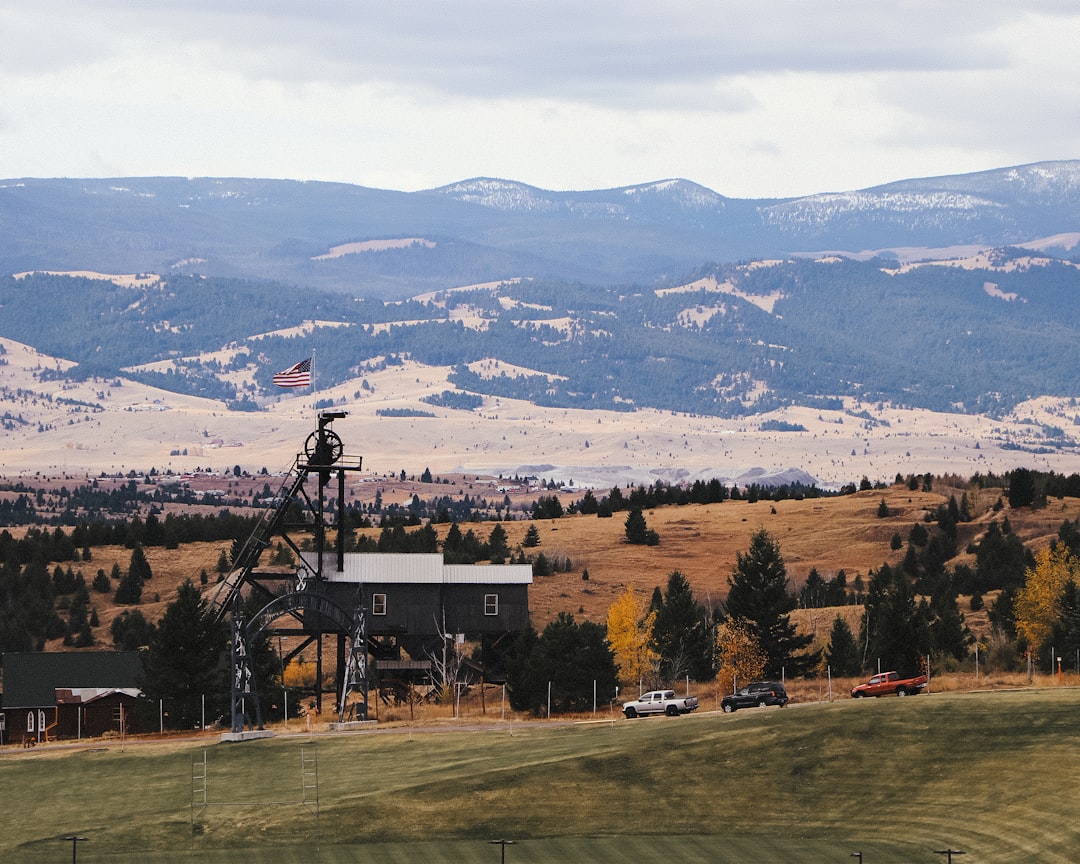
Even if material pricing is relatively statewide, delivered costs and labor competition vary. Here are practical, 2026-style differences you should expect:
Bozeman / Gallatin Valley (often higher)
- Strong population and building demand typically push up labor and GC availability.
- More frequent use of higher-end finishes and custom details (which changes “average cost” quickly).
- Expect more frequent premiums for schedule, specialty trades, and upgraded exterior packages.
Missoula area (moderate-to-higher, with urban permitting factors)
- More in-city utility access can reduce rural infrastructure costs, but urban permitting/reviews can add time.
- Lots can be tight or sloped, increasing excavation complexity.
Billings (often moderate, but varies by site)
- As a larger metro with broader contractor base, some builds price more consistently.
- Rural edges still trigger the same well/septic/power extension surprises as elsewhere.
Flathead Valley / Kalispell / Whitefish (often higher, more variability)
- Second-home and custom-home influence can raise finish expectations and pricing.
- Winter constraints and logistics can add schedule pressure and delivery costs.
Rural Montana (not automatically cheaper)
Rural can be cheaper only if:
- your site is simple,
- utilities are nearby,
- access is easy,
- you’re not paying travel premiums for trades.
Otherwise, “rural” can mean: longer mobilization, fewer bids, higher delivery costs, and expensive site utilities.
What “cost per square foot” hides: the line items that really move
Here’s where budgets usually swing the most in Montana.
Foundation and excavation (one of the biggest wild cards)
A small plan with a full basement can cost more than a larger plan on a slab if the site is challenging.
Common budget movers:
- rock excavation or oversized footings
- basement waterproofing and drainage systems
- stepped foundations for slopes
- walkout basements (great lifestyle value, but structural complexity)
Rule of thumb (estimate): Site excavation + foundation scope can vary by $20,000–$100,000+ depending on soil/rock/slope and design.
Framing package and structural requirements
Framing isn’t just lumber; it’s also:
- engineered roof trusses (snow-load design impacts)
- beams (LVL/steel) for open layouts
- sheathing, fastening schedules, connectors
The same floor plan can change meaningfully if it has:
- large spans and open great rooms,
- lots of roof valleys/dormers,
- complex exterior wall lines.
Mechanical systems (HVAC + plumbing + electrical)
In Montana, comfort and performance matter, so HVAC design choices can swing budgets:
- High-efficiency furnace vs. heat pump systems
- Ductwork complexity (multiple zones, finished basements)
- Ventilation strategy (tighter homes need proper fresh air)
- Electrical service size and distance from transformer
- Backup power provisions (common in rural areas)
If you’re building outside city limits, add the cost uncertainty of:
- well pump sizing,
- water filtration/softening,
- propane tank placement and gas piping,
- longer utility runs.
Finishes: where “midrange” becomes “custom” fast
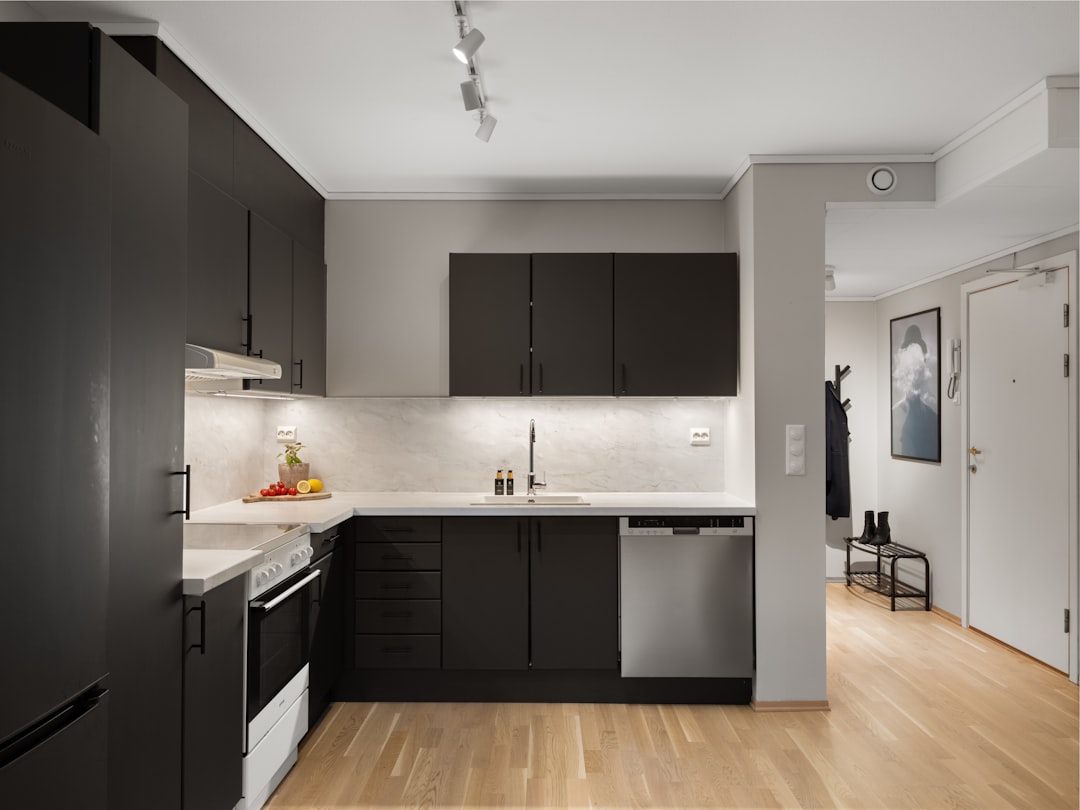
This is where online averages break down the most. Two houses with the same square footage can diverge massively on:
- cabinet quality and layout complexity
- countertop material and backsplash coverage
- window package (size, glazing, performance)
- flooring type and installation labor
- tile density (showers, mudrooms, laundry)
- trim level (paint-grade vs stained, custom built-ins)
- appliance package
A practical reality: You don’t choose “finishes” once—you choose them across dozens of line items.
Soft costs and “non-house” costs Montana owners forget to budget
Even when you’re focused on build costs, your total project budget often includes:
Permits, plan review, and inspections (varies by jurisdiction)
Montana permit rules and local fee schedules vary by city/county, and in some places state rules also apply depending on jurisdiction and enforcement.
The Montana Administrative Rules include a section on building permit fee calculation and plan review fees (effective version noted as of Sept 2024). Source: Administrative Rules of Montana, 24.301.138 “Calculation of Fees” (effective 09/21/2024–present).
Budgeting tip: Without your specific jurisdiction and valuation method, permit totals are hard to generalize. For many projects, it’s reasonable to carry a placeholder allowance in the low-thousands to several-thousands (or more if impact fees, special reviews, or complex sites apply).
Design, engineering, surveys
Depending on the plan and the site, you may need:
- structural engineering (snow load, wind, special spans)
- civil/site engineering for drainage and driveway
- septic design and perc testing
- boundary and topographic surveys
Utility taps and off-site extensions
City water/sewer taps can be predictable; rural infrastructure can be anything but. Cost drivers include:
- trench length
- boring under roads/driveways
- transformer upgrades
- setting poles or extending overhead service
Financing costs and schedule risk
If labor shortages push your schedule out, your carrying costs rise. Montana DLI’s 2026 report language about undersupplied labor demand is a reminder that schedule is a cost variable—not just an inconvenience.
A more useful way to think about Montana build pricing in 2026
Instead of chasing a single statewide number, budget using three scenarios based on your plan and lot:
Scenario A: “Simple site + standard finishes”
- straightforward foundation
- short utility runs
- conventional rooflines
- builder-grade to midrange interiors
Often lands toward the lower-middle part of statewide ranges.
Scenario B: “Typical Montana reality”
- some excavation complexity
- at least a few upgrades (windows, cabinets, tile)
- moderate driveway and utility work
- tighter energy targets
Often lands in the middle-to-upper portion of ranges.
Scenario C: “Mountain/custom/wildfire/snow-load complexity”
- sloped lot or rock excavation
- engineered systems (retaining, complex drainage)
- high-end finish packages
- specialty exterior materials and detailing
Can exceed statewide averages quickly—even at modest square footage.
Key Takeaway
In 2026, the cost to build a house in Montana is best understood as a wide, location-and-plan-specific range, not a single statewide price. Baseline state averages (like ~$162/sq ft reported in a national 2026 benchmark list) can help you start budgeting, but your real total will be shaped by labor availability, site development needs (well/septic/power/driveway), foundation and structural requirements for climate, and the finish level you choose across dozens of line items. The safest next step is to price your plan on your site with a detailed, itemized estimate.
Get a line-item cost estimate for your specific Montana plan (see it before you buy)
If you’ve made it this far, you already know why generic “cost per square foot” numbers don’t protect your budget—especially in a state where site work and labor availability can change everything.
Costtobuildahouse.com has been providing detailed cost-to-build reports for nearly 20 years, and the reports are designed to show the real drivers: quantities, assemblies, and the line items that move in your area.
- First, Try a free demo report to see the level of detail and how the line items are organized.
- When you’re ready, order your custom Cost To Build report for your exact house plan and Montana location for $32.95.